




There’s a number that should bother anyone working in international cooperation: 97%. That’s the estimated share of development data (project reports, evaluations, baseline studies, impact assessments) that never gets read by anyone outside the organization that produced it.
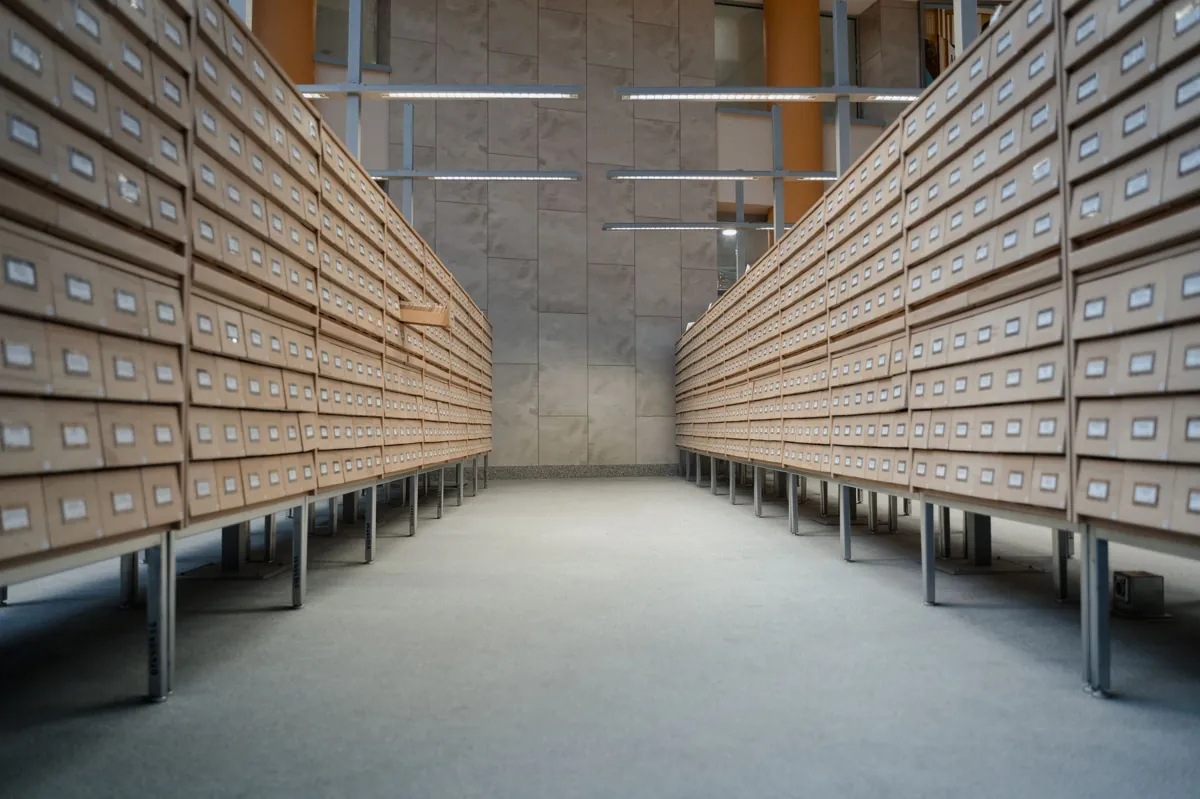
Think about that for a second. Billions of dollars flow into development projects across West Africa every year. Each project generates dozens of documents. And almost none of that accumulated knowledge feeds into the next project cycle.
The transparency gap is getting wider
The International Aid Transparency Initiative (IATI) was supposed to fix this. Since 2011, IATI has pushed donors and implementing organizations to publish structured data about their activities. On paper, it’s worked: over 1,600 organizations now publish to IATI, covering hundreds of thousands of activities worldwide.
But publishing data isn’t the same as making it useful. IATI’s own strategic review found that while data volume has exploded, data quality remains inconsistent. And the people who need this information most (local consultants, NGOs, and bureaux d’études in places like Nouakchott, Dakar, and Bamako) rarely access it. The tools are built for Washington and Geneva, not for the Sahel.
What gets lost when data stays siloed
The consequences are concrete. When a consultant in Mauritania prepares a proposal for a World Bank-funded resilience project, they’re starting from scratch. The baseline study from a similar project in Senegal exists, but it’s buried in a PDF on a UNDP server somewhere. The lessons-learned report from the previous phase? Filed away in a format that no search engine can parse.
The result is duplication. The same diagnostic studies get commissioned repeatedly. The same mistakes get repeated across borders. And the institutional memory that should accumulate over project cycles simply doesn’t.
One World Bank evaluation estimated that poor knowledge management across development projects costs the sector hundreds of millions of dollars annually in duplicated effort alone.
2026: a turning point for aid data?
There are signs of change. IATI’s 2026–2030 strategic plan puts data use, not just data publication, at the center of its mandate for the first time. The emphasis is shifting from “did you publish?” to “can anyone actually find and use what you published?”
Meanwhile, the aid sector is shifting fast. With major donors restructuring their development budgets, the pressure to do more with existing knowledge has never been higher. When budgets shrink, the ability to reuse past investments, including past data, becomes critical.
What a real solution looks like
The fix isn’t more databases. The development sector has plenty of those. The fix is making existing data findable, contextual, and usable for the people who need it: in the languages they work in, at the granularity they need, with search tools that actually understand what they’re looking for.
That means moving beyond keyword search, which fails when a French-speaking consultant searches for “résilience climatique” and the document is tagged in English. It means semantic search: technology that understands meaning, not just matching strings of text. It means aggregating data from IATI, donor portals, and institutional repositories into a single, searchable layer.
This is precisely the problem ICOpedia was built to solve. By combining IATI data with document intelligence and multilingual semantic search, the platform turns the 97% that goes unseen into knowledge that’s actually accessible, especially for development professionals working in West Africa and the Sahel.
The data already exists. The question is whether we’ll finally build the infrastructure to use it.

