
Tenders in Mauritania: Why the Real Problem Is Seeing Them
Many assume tenders in Mauritania are already locked up. The real obstacle lies elsewhere: spotting them in time, across a scattered and poorly covered market.




Many assume tenders in Mauritania are already locked up. The real obstacle lies elsewhere: spotting them in time, across a scattered and poorly covered market.
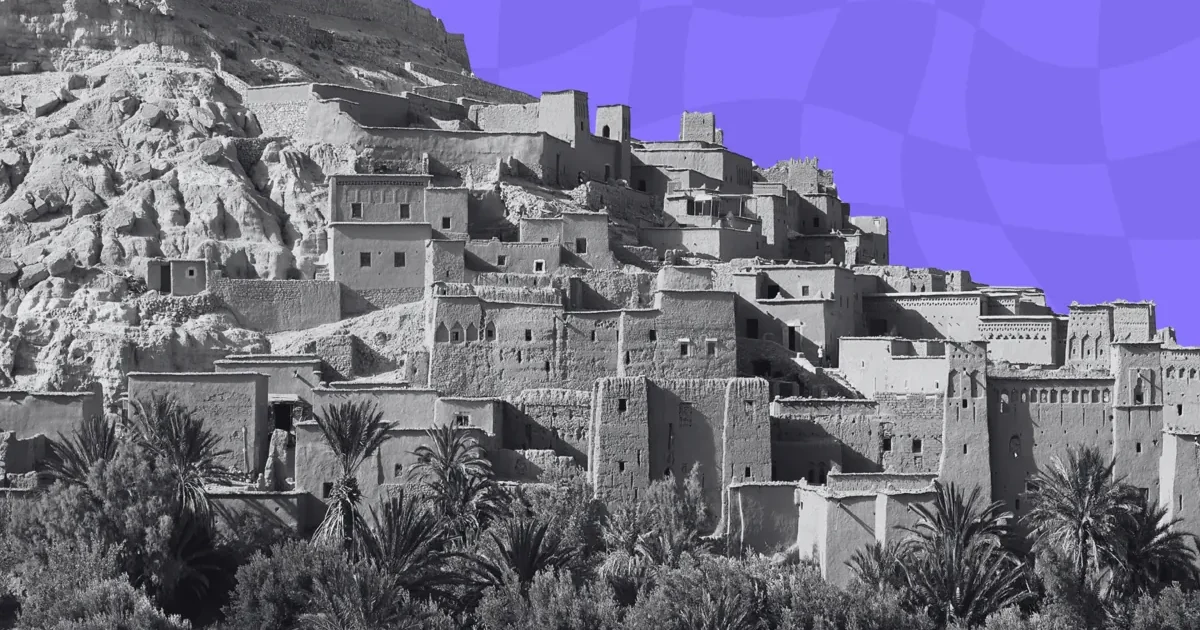
In Morocco, the real obstacle isn’t writing a strong bid. It’s seeing the tender in time, across scattered sources. A multi-source detection method for local firms.

“I can’t find enough tenders in Cameroon” is almost always a coverage problem, not an absence. The bilingual trap, the scattered sources, and how to see them all.

In Mali, the problem is rarely a shortage of tenders. It is detecting them in time, scattered across dozens of sources. Here is why, and how to cover the whole market.

In Senegal, international cooperation tenders are scattered across national portals, multilateral donors and regional channels. The hard part is not writing the bid: it is detecting the call in time.

Detecting tenders in Cote d’Ivoire is a real headache: opportunities are scattered across national portals, multilateral donors and regional blocs. Here is how to cover wide and filter tight.

The Sahel is warming 1.5x faster than the global average. From GCF mega-projects to community-based adaptation, here’s where climate finance is flowing in 2026 — and what it means for consultants.

Mauritania has quietly become one of the Sahel’s most active development pipelines. From the $82.5M DREAM project to green hydrogen ambitions, here’s where the opportunities are in 2026.

