



“I can’t find enough tenders in Cameroon.” You hear it often, and it is almost always wrong. Not because the market is overflowing, but because it is not an absence problem. It is a coverage problem. Cameroon concentrates some of the densest donor activity in Central Africa; what is missing is not the opportunity, it is the ability to see it.
And Cameroon has a trap few countries share.
The bilingual trap
Cameroon is officially bilingual, French and English. That is an asset, and a blind spot for monitoring. Depending on the donor, the sector and the contracting authority, the same kind of contract may be published sometimes in French, sometimes in English.
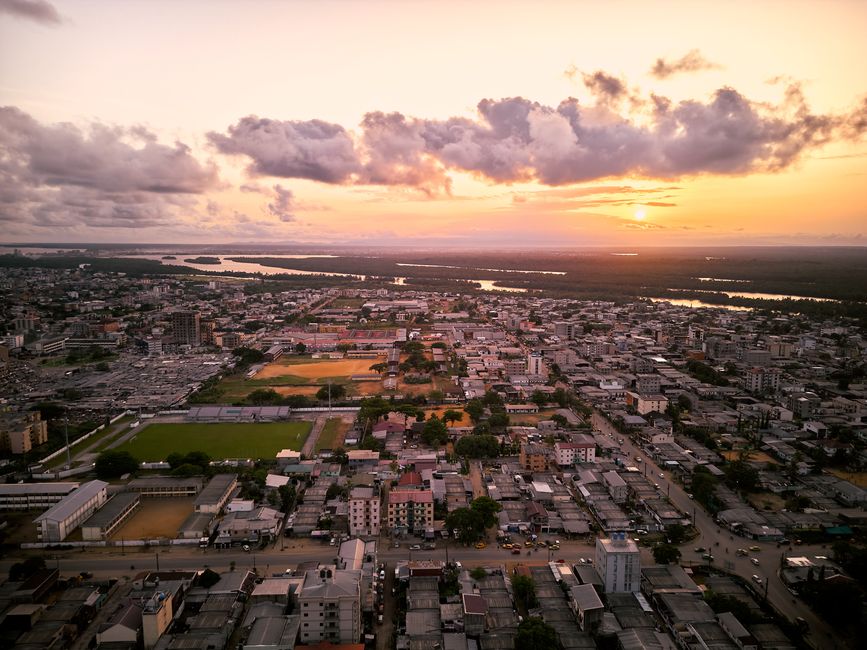
The concrete consequence: a firm that watches only the Francophone channels mechanically misses part of the notices published in English, and vice versa. You think you cover the country, you cover only one linguistic half of it. It is one of the most common causes of “there is nothing right now” when contracts are in fact landing, just in the other language.
Who finances, and where it scatters
Cameroon is active ground for the major donors. The World Bank, the African Development Bank, the European Union, UNDP, GIZ and AFD finance programmes there in infrastructure, health, governance and environment. Add the contracts tied to Central African regional institutions, including CEMAC, and the real volume of opportunities is far higher than a generalist aggregator lets you see.
The problem is the scatter. Notices spread across national procurement regulators, contracting-authority portals, each donor’s own platform, and country-office channels. Tracking all of that by hand, in two languages, is a load few teams sustain over time. So you focus on two or three known sources, and miss the rest.
The hidden cost of manual monitoring
Let me put an effort figure on it, not a market figure. Covering Cameroon properly by hand means one to two hours a week sorting between mismatched portals, badly tuned alerts and duplicate notices. Time stolen from qualification and writing.
And that cost is invisible, because you never count the contracts you did not see. The blind spot is, by construction, what you do not measure. It is exactly the mechanism that leads people to wrongly conclude “the field is thin,” when it is simply poorly covered.
Cover wide, in one place
The solution is not to watch more sites. It is to aggregate them. ICOpedia gathers more than 150 public sources across Francophone Africa, Cameroon included, and lets you filter by sector and contract size, in both languages. Instead of chasing ten portals, you receive an alert that looks like your strategy.
It is the same logic as for tenders in Mali or World Bank tenders: you only win the contracts you detected in time. And when a relevant notice lands with 80 pages of terms of reference, Coco, the AI assistant, reads them in three minutes and tells you whether the contract is for you, without writing the bid in your place.
What to take away
If you find few tenders in Cameroon, the reflex is not to wait for the market to open. It is already open. The reflex is to widen your coverage, in both languages, and to filter it by your sector and your size.
Cameroon rewards the actors who see what others miss: the Anglophone half, the CEMAC regional contracts, the scattered donor notices. The rest is a question of method.
Want to see Cameroon tenders, in French and English, without watching ten portals by hand? Try ICOpedia free, seven-day trial on the monthly plan, card required, nothing charged during the trial.

